How to Build a Home Office That Doesn't Destroy Your Back (or Your Budget)
By Diego Zietek · March 16, 2026 · 12 min read
tools-productivityremote-workdigital-nomad
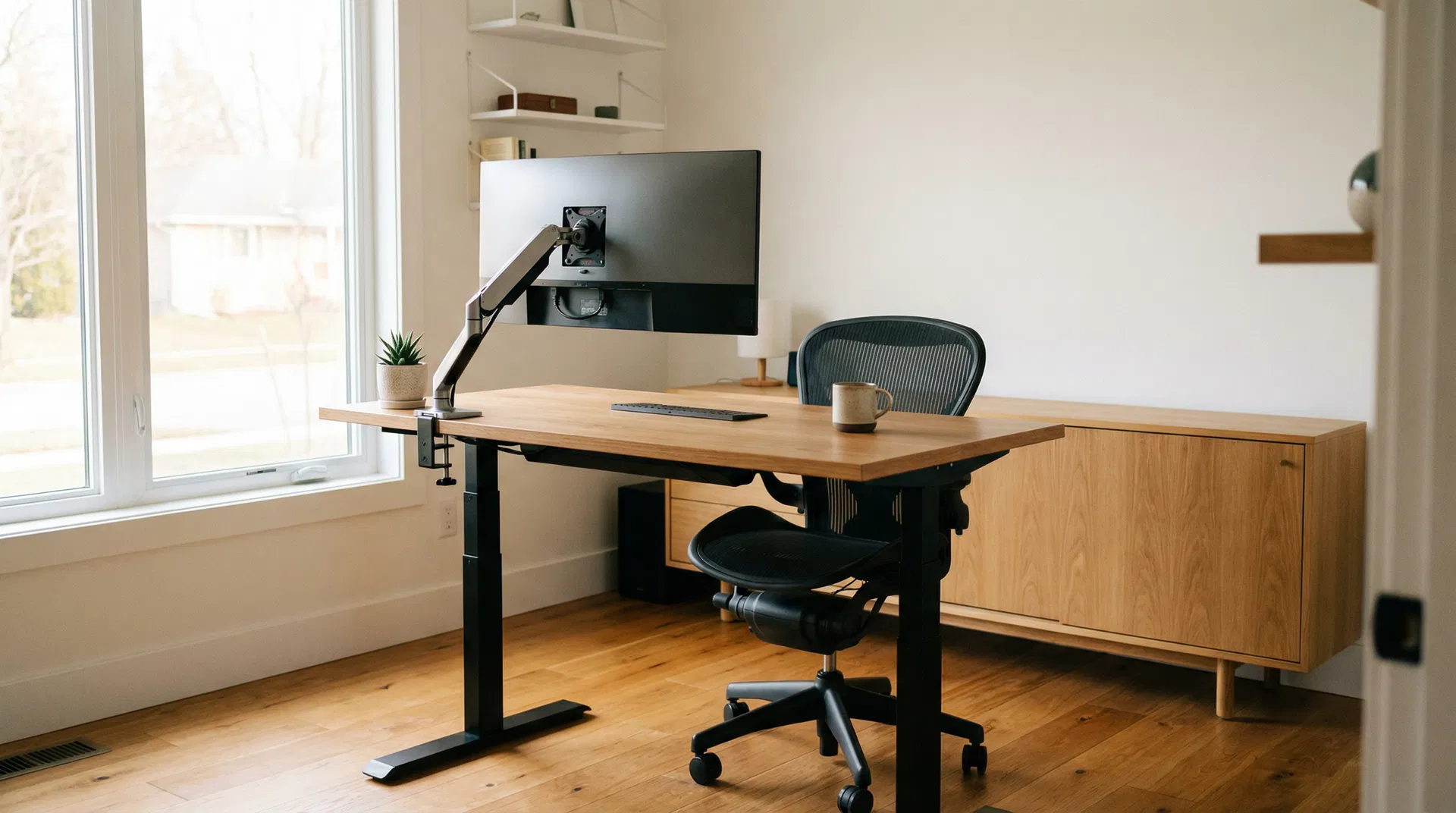
Working remotely offers unparalleled flexibility, but it often comes with the hidden cost of a poorly set up workspace. Many professionals, especially those with 5+ years of experience, find themselves hunched over laptops on kitchen tables, leading
How to Build a Home Office That Doesn't Destroy Your Back (or Your Budget) Working remotely offers unparalleled flexibility, but it often comes with the hidden cost of a poorly set up workspace. Many professionals, especially those with 5+ years of experience, find themselves hunched over laptops on kitchen tables, leading to chronic back pain, neck strain, and reduced productivity. Building an ergonomic home office is not a luxury; it's a necessity for long-term health and career sustainability. This guide will walk you through creating a functional, comfortable, and budget-friendly home office that supports your well-being without draining your finances. The True Cost of a Poorly Designed Workspace Ignoring ergonomics can have significant repercussions beyond discomfort. Studies show that musculoskeletal disorders (MSDs) are a leading cause of lost workdays, with back pain being particularly prevalent among office workers. For remote professionals, the lines between work and personal life blur, making it even easier to neglect proper setup. The initial savings from not investing in a dedicated workspace are quickly offset by medical bills, reduced efficiency, and a decline in overall quality of life. Health Implications Chronic pain in the back, neck, and shoulders is a common complaint. Carpal tunnel syndrome, eye strain, and headaches are also frequently reported. These issues don't just cause physical discomfort; they impact mental well-being, leading to stress, fatigue, and decreased job satisfaction. A proactive approach to your home office setup is an investment in your health and career longevity. Productivity Drain Discomfort is a major distraction. When you're constantly shifting to find a comfortable position, your focus on tasks diminishes. This leads to more errors, slower completion times, and a general feeling of being overwhelmed. An ergonomic setup, conversely, allows for sustained concentration, fostering an environment where deep work can thrive.