By WFA Digital · June 22, 2026 · 9 min read
japandigital nomad visavisaremote workasia
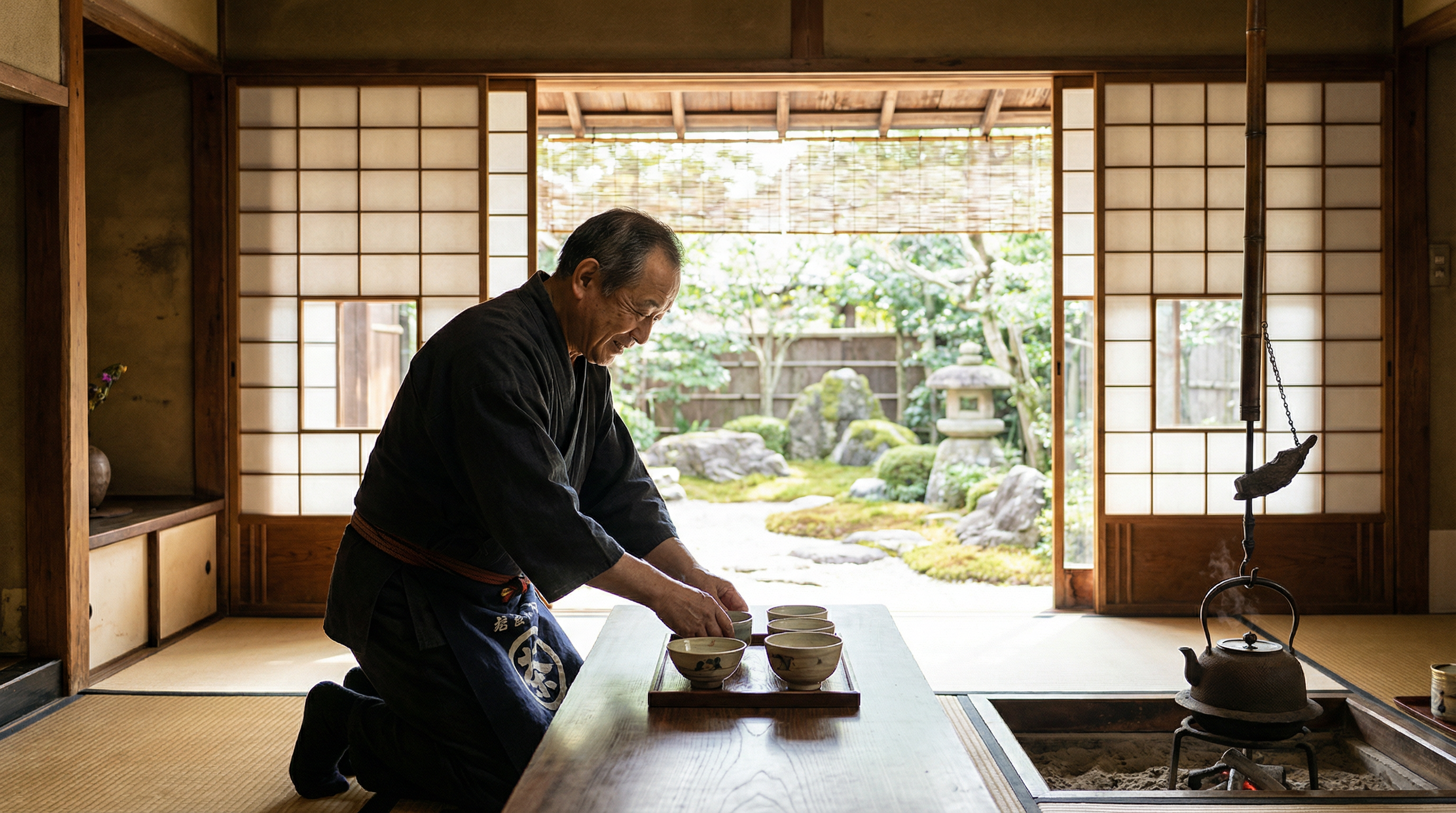
Japan finally opened a digital nomad visa. Here is what it covers, what it costs, and whether it is actually worth applying for.
Japan's Digital Nomad Visa: What It Is and Who It Is For Japan, a country long admired for its unique blend of ancient tradition and futuristic innovation, has finally opened its doors to digital nomads. For years, remote workers dreamed of experiencing life in Japan without the constraints of traditional employment visas. That dream is now a reality with the introduction of the Japan Digital Nomad Visa. But what exactly does it entail, and is it the right fit for you? This visa is designed for individuals who can work remotely for companies or clients outside Japan, allowing them to reside in the country for up to six months. It is a significant step for Japan, recognizing the growing global trend of remote work and aiming to attract a new demographic of skilled professionals. However, like any immigration pathway, it comes with specific requirements and limitations that are crucial to understand. Visa Requirements and Income Threshold The Japan Digital Nomad Visa is not a free for all. It targets a specific group of remote professionals. The primary requirement is that you must be a national of one of the 49 countries that have visa exemption agreements with Japan, and also have a tax treaty with Japan. This immediately narrows down the pool of eligible applicants, so checking your nationality against this list is the first step. Beyond nationality, the most significant hurdle for many will be the income threshold . Applicants must demonstrate an annual income of at least 10 million Japanese Yen (JPY). This translates to approximately 65,000 to 68,000 US dollars, depending on the current exchange rate. This is a substantial amount, designed to ensure that digital nomads can comfortably support themselves without burdening local resources. It is a clear signal that Japan is looking for financially stable individuals who can contribute to the economy through their spending, rather than seeking employment within Japan. Another critical requirement is private health i