By WFA Digital · May 18, 2026 · 5 min read
productivityremote worktime managementsystemstools
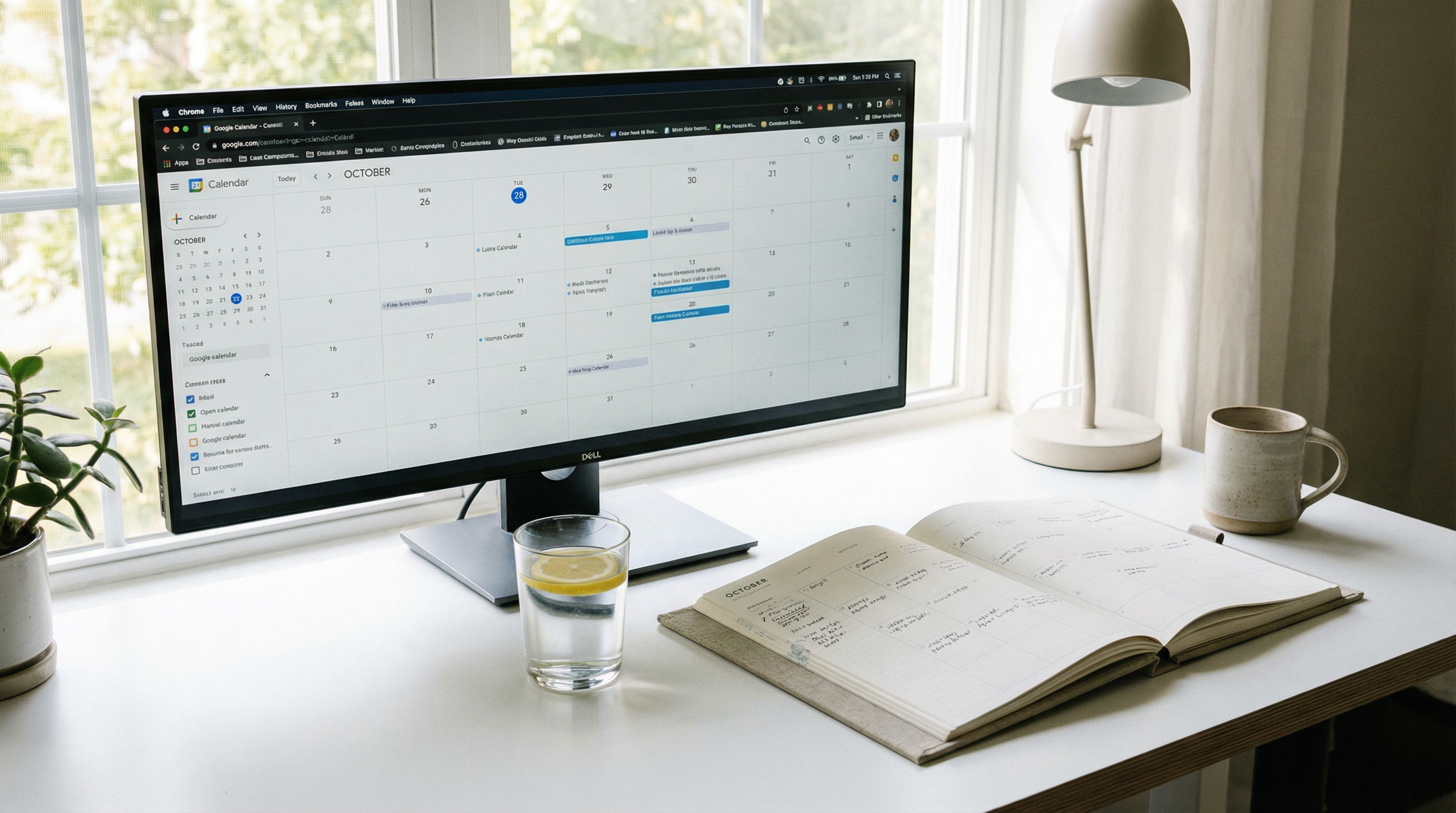
Not another list of apps. A breakdown of the frameworks that remote professionals use to stay focused when the office is wherever you are.
The Productivity Systems That Actually Work for Remote Professionals Working remotely offers unparalleled freedom, but it also introduces a unique set of challenges to productivity. The lines between work and life blur, distractions multiply, and the traditional office structure that once dictated our day vanishes. This isn't about finding another app to manage your tasks; it's about understanding the underlying frameworks that genuinely help remote professionals stay focused, engaged, and effective, no matter where their office happens to be. Many remote workers fall into the trap of trying to replicate their office environment at home, or worse, adopting every new productivity hack without critical assessment. The truth is, there's no one size fits all solution. What works for a software engineer in Berlin might not work for a marketing specialist in São Paulo. The key is to build a system that aligns with your work style, your team's culture, and your personal boundaries. Let's dive into the systems that have proven their worth in the remote landscape. Time Blocking: Your Calendar as Your Boss Time blocking is more than just scheduling meetings; it's about intentionally allocating specific blocks of time for specific tasks. For remote professionals, this practice is foundational. Without the natural rhythms of an office environment – impromptu meetings, coffee breaks, or colleagues stopping by your desk – it's easy for your day to become a reactive mess of emails and instant messages. Time blocking forces you to be proactive. Here's how it works: at the start of your week, or even the night before, you map out your entire workday in your calendar. This includes deep work sessions, communication blocks, breaks, and even personal appointments. For example, you might block 9:00 AM to 11:00 AM for focused writing, 11:00 AM to 12:00 PM for email and Slack responses, and 1:00 PM to 2:00 PM for project planning. The crucial part is to treat these blocks as non negotiabl